Buy Rybelsus Without Prescription in the United Kingdom
- Home/
- Buy Rybelsus Without Prescription in the United Kingdom
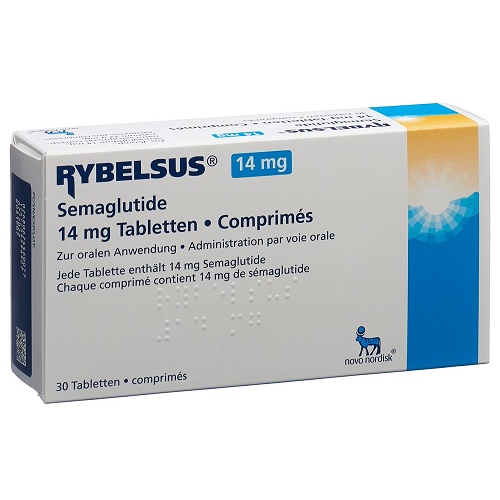
| Medication Name | Rybelsus |
|---|---|
| Main Active Molecule | Semaglutide |
| Used For | Management of Type 2 Diabetes in adults |
| Tablet Strengths Available | 3 mg, 7 mg, 14 mg |
| When the Effect Begins | Within several days; full benefit typically seen in weeks |
| How Long Each Dose Lasts | About 24 hours per daily tablet |
| Required Prescription in UK? | Yes, prescription only (MHRA regulated) |
| Taking With Food | Take on an empty stomach with water, wait at least 30 minutes before eating |
| General Price Range | £73–£155 per 30-tablet pack, depending on dose and supplier |
Rybelsus for Type 2 Diabetes: Guidance and Practical Details for the United Kingdom
Rybelsus is a prescription tablet containing semaglutide, approved in the United Kingdom for the treatment of Type 2 Diabetes in adults. It is legally available via NHS and private routes, subject to prescription by a qualified healthcare professional. This guide explains how Rybelsus fits into diabetes management, who it is for, how it works, and what using it involves in day-to-day life in the UK.
Type 2 Diabetes in the UK: You Are Not Alone
Type 2 Diabetes is a chronic condition that disrupts how your body handles blood sugar. In the United Kingdom, the problem is both common and growing: According to Diabetes UK, over 4.3 million people were living with diabetes in 2023, with around 90% of these cases being Type 2. This means millions across the UK face similar daily challenges with blood sugar, treatment decisions, and uncertainty about the right choices. The condition is manageable, and new medication options such as Rybelsus aim to offer improved control for those who need additional help beyond standard therapies.
How Rybelsus Works: The Science and What It Means for You
Rybelsus contains semaglutide, which is a type of medication known as a GLP-1 receptor agonist. In plain language: it mimics a natural hormone in your body (GLP-1) that increases insulin production when blood sugar is high, reduces the amount of sugar released by the liver, and slows down how quickly food leaves your stomach. These combined actions help lower blood glucose levels and can also reduce appetite, potentially leading to weight loss.
- Physiological effect: Semaglutide stimulates the pancreas to release more insulin when needed, but not when blood sugar is normal or low—reducing the risk of sudden hypoglycaemia compared to some other diabetes drugs.
- What you may notice: Over several weeks, blood sugar levels often stabilise, and some people experience modest weight loss; appetite may decrease, and energy levels improve as glucose becomes better controlled.
- Why oral form matters: Unlike many GLP-1 agonists which require injections, Rybelsus is taken as a once-daily tablet, improving convenience for those who prefer not to use needles.
In clinical studies, a significant proportion of people using Rybelsus achieved better blood sugar control compared to placebo and some oral alternatives (source: National Institute for Health and Care Excellence [NICE], 2022). Full benefits are usually seen after several weeks of regular use.
Is Rybelsus Right For You? Personal Scenarios Table
| Your Situation | Is Rybelsus Appropriate? | Why or Why Not? |
|---|---|---|
| You have Type 2 Diabetes and struggle to control blood sugar with metformin alone | Yes, often suitable | Rybelsus can be added when first-line therapy is not enough |
| You want to avoid injections for diabetes therapy | Yes | Rybelsus is one of the few GLP-1 options available in tablet form |
| You have a history of medullary thyroid cancer or multiple endocrine neoplasia syndrome type 2 | No | Rybelsus is contraindicated due to increased risk of tumour growth in these rare conditions |
| You are pregnant, planning pregnancy, or breastfeeding | No | Safety for unborn babies or infants is not established |
| You have severe kidney or liver disease | May not be suitable | Requires careful medical assessment—other treatments may be preferred |
| You need rapid blood sugar reduction due to very high readings | No | Rybelsus acts gradually; it is not for emergency glucose lowering |
Your own health profile, other medications, and daily needs play a central role in determining if Rybelsus is the right fit. A personalised consultation remains essential before starting or changing diabetes medication.
Using Rybelsus: Practical Guidance for Everyday Life
Rybelsus must be taken correctly to work effectively. Here is what to expect and how to handle common, real-world situations:
- Timing: Take your Rybelsus tablet in the morning, on an empty stomach, with plain water (not juice, tea, or coffee). Wait at least 30 minutes before eating, drinking anything else, or taking other oral medications.
- If you miss a dose: Skip the missed tablet and resume the normal schedule the next day. Do not take a double dose.
- If you vomit soon after taking: If vomiting occurs within a few minutes of taking Rybelsus, that dose may not be effective. Continue as usual the next day; missing one dose rarely has a significant impact.
- What is normal: Mild nausea, decreased appetite, or mild digestive changes are common when starting. These often settle after a few weeks.
- When to seek advice: If you experience persistent vomiting, severe abdominal pain, dehydration, or signs of low blood sugar (sweating, confusion, rapid heartbeat), contact your healthcare provider.
- Adjusting doses: The starting dose is usually 3 mg daily, increased to 7 mg and then 14 mg if tolerated and needed. Never change your dose without consulting your prescriber.
If at any time you feel that the medication is not working—such as consistently high blood sugars despite adherence—speak to your doctor. Adjustments to your regimen or additional investigation may be required.
Who Should Not Use Rybelsus? Contraindications Explained
- Personal or family history of medullary thyroid carcinoma: Not permitted because semaglutide may stimulate certain thyroid tumours.
- Multiple endocrine neoplasia syndrome type 2 (MEN2): Contraindicated for the same tumour risk as above.
- Pregnancy and breastfeeding: Use is not recommended; animal studies show possible harm, and human safety data is lacking.
- Severe allergy to semaglutide or any component of the tablet: Any past severe reaction means Rybelsus should not be used.
- Children and adolescents under 18: Safety and effectiveness have not been established.
- Severe gastrointestinal disease (e.g., gastroparesis): Use with caution or avoid, as Rybelsus slows digestion further.
These exclusions exist to protect against serious risks. If you have any of these conditions, your GP or diabetes specialist will discuss alternatives.
Side Effects: What to Expect, What’s Rare, and When to Get Help
Most people using Rybelsus experience only mild effects, but being prepared is important.
- Common and usually temporary: Nausea, diarrhoea, loss of appetite, heartburn, mild stomach discomfort. These are most frequent at the start and tend to improve as the body adjusts.
- Occasional: Constipation, fatigue, mild headache. Generally manageable and not dangerous.
- Uncommon but important: Severe vomiting, dehydration, or signs of pancreatitis (persistent severe abdominal pain, possibly radiating to the back)—stop the medication and seek immediate medical advice.
- Signs of low blood sugar (hypoglycaemia): Sweating, shakiness, fast heart rate, dizziness. Uncommon with Rybelsus alone but may occur when taken with insulin or sulfonylureas. Carry sugar or glucose tablets to manage symptoms if they arise.
- Allergic reactions: Very rare, but seek emergency help if you experience difficulty breathing, swelling of face or throat, or a widespread rash.
If you or someone around you experiences severe reactions such as loss of consciousness, severe abdominal pain, or signs of a severe allergic reaction, call NHS 111 or 999 in the United Kingdom immediately.
Drug Interactions: What to Watch For
Rybelsus is generally compatible with most standard diabetes treatments. However, some key interactions to be aware of:
- Insulin or sulfonylureas: Combined use increases risk of hypoglycaemia (dangerously low blood sugar). Dose adjustments may be needed and regular monitoring is important.
- Other oral medications: Because Rybelsus slows stomach emptying, it can delay the absorption of other tablets. Leave at least 30 minutes between taking Rybelsus and any other oral medicines.
- Over-the-counter supplements: While most are safe, always discuss new supplements with your doctor or pharmacist as some may impact glucose control or absorption.
It is essential to inform your doctor or pharmacist of all medications and supplements you take so they can assess for potential interactions.
Alternatives and Honest Comparisons: Rybelsus vs Other Diabetes Treatments
| Medication/Class | Form | Frequency | Main Advantages | Main Limitations |
|---|---|---|---|---|
| Rybelsus (Semaglutide) | Tablet | Daily | No injection, weight loss potential, strong glucose lowering | Stomach upset, strict timing, not for all patients |
| Ozempic (Semaglutide) | Injection (weekly) | Weekly | Less frequent dosing, similar glucose/weight effects | Requires injection, not suitable for needle-averse |
| Metformin | Tablet | 1–2 times daily | First-line, well tolerated, inexpensive | May not be enough alone, stomach upset in some |
| Dulaglutide, Liraglutide (other GLP-1 agonists) | Injection (daily or weekly) | Daily/weekly | Similar benefits, proven outcomes | Injection required, some NHS restrictions |
| SGLT2 inhibitors (e.g. dapagliflozin) | Tablet | Daily | Weight loss, heart/kidney benefits, no injection | Risk of urine/genital infections, not suitable in kidney disease |
Rybelsus offers a unique option for those who prefer an oral tablet and seek weight and blood sugar benefits similar to injectable GLP-1 drugs. For patients who value fewer doses, injectable versions or other classes may be better. It is not suitable for people with a history of certain cancers, and those with kidney or liver problems may require other approaches. Your diabetes team will help weigh these options based on your health and preferences.
What You Will Actually Pay: Rybelsus Costs in the United Kingdom
| Expense Item | Cost (GBP) | Context |
|---|---|---|
| GP or diabetes specialist consultation | £0 (NHS) or £50–£150 (private) | NHS covers for registered patients; private clinics charge per visit |
| NHS prescription charge | £9.65 per item | Applies to most adults in England; free for eligible groups |
| Private prescription (if not using NHS) | £10–£20 | Issued by private doctor, paid by patient |
| Rybelsus medication (30 tablets) | £73–£155 | Varies by dose, source, and whether NHS or private |
| Dispensing/Pharmacy fee (private prescription) | £5–£15 | Some private pharmacies charge this fee |
| Home delivery | Usually £5–£10 | Online/private suppliers, not typical in NHS |
| Total | £9.65 (NHS minimum) to £350+ (private max) | NHS with exemption vs private, 1 month’s supply |
The cost to you depends on NHS eligibility, whether you use private healthcare, and the dose required. For many, the NHS covers most of the expense aside from the standard prescription charge. Private routes can be more costly, especially when including consultation and delivery fees. Always confirm with your chosen provider.
What If I Have More Questions About Rybelsus or Type 2 Diabetes?
Many practical questions remain even after starting treatment—about long-term results, managing diet and exercise, or handling special situations like travel or illness. Your diabetes nurse or GP is an ongoing resource for advice tailored to your circumstances. The NHS also provides patient education, and Diabetes UK offers free helplines and support groups. If you notice unexpected symptoms, changes in your health, or simply feel unsure about any aspect of your treatment, it is appropriate—and encouraged—to reach out for professional guidance.