Buy Clomid Without Prescription Online in the United Kingdom
- Home/
- Buy Clomid Without Prescription Online in the United Kingdom
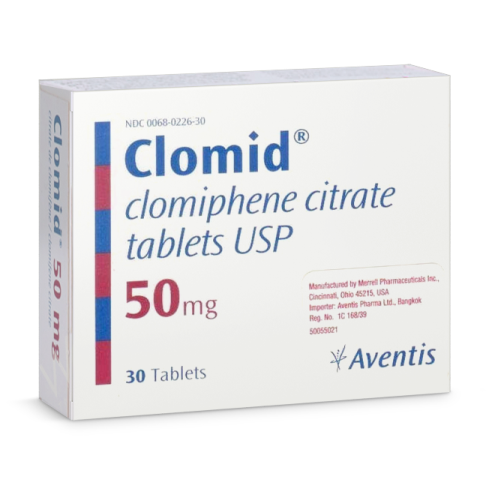
| Medication Name | Clomid |
|---|---|
| Main Substance | Clomiphene |
| Primary Use | Induction of ovulation in Female Infertility |
| Strength Variations | 50 mg, 100 mg tablets |
| When it Starts Working | Usually within the first menstrual cycle |
| Effect Duration per Cycle | One ovulation cycle (about 5–7 days of stimulation) |
| How to Take | Once daily for 5 days, starting early in the menstrual cycle |
| Does it Need a Prescription? | Yes, in the United Kingdom |
| Average Price in the UK | £20–£60 per treatment cycle (excluding consultation) |
Clomid for Female Infertility: Guidance, Criteria, and Cost in the United Kingdom
Clomid is a prescription-only medication containing clomiphene, used to stimulate ovulation in women experiencing infertility. It is approved and regulated in the United Kingdom, and is available through NHS and private clinics for those who meet the clinical criteria.
Infertility: Prevalence and Perspective in the UK
Female infertility is far more common than many expect, and it can affect individuals from all backgrounds. According to the National Health Service (NHS), around 1 in 7 couples in the UK have difficulty conceiving – a figure confirmed by NICE (National Institute for Health and Care Excellence), 2023. The causes are varied, but irregular ovulation is one of the most treatable reasons. Importantly, advances in medical science have made successful conception possible for many. Recognising that you are not alone, and that effective therapies exist, is the crucial first step towards confidently seeking help.
How Clomid Works: Mechanism and What to Expect
Clomid (clomiphene) tackles infertility by acting on the hormonal signals that drive ovulation. In simple terms, it tricks the brain into increasing the production of follicle-stimulating hormone (FSH) and luteinising hormone (LH). These are the messengers that prompt the ovaries to prepare and release an egg. The practical outcome? For many women with irregular or absent ovulation, Clomid can restore a regular cycle and increase the chance of egg release.
- Physiological Mechanism: Clomiphene blocks oestrogen receptors in the brain’s hypothalamus. This is interpreted by the body as low oestrogen, which triggers the pituitary gland to produce more FSH and LH.
- Patient Experience: Most women do not feel the hormonal changes directly but may notice a return of regular periods or ovulation symptoms (such as mild abdominal pain).
- Timeline: Ovulation typically occurs 5–10 days after completing a 5-day course of Clomid. If conception occurs, a positive pregnancy test may follow in two weeks.
Not every woman will respond, and success depends on the underlying cause of infertility. In clinical studies cited by NICE, up to 80% of women with ovulatory dysfunction ovulated with Clomid, but pregnancy rates per cycle are lower (roughly 10–20%).
Is Clomid Right for You? Personal Criteria Table
| Your Situation | Is Clomid Suitable? | Why (or Why Not)? |
|---|---|---|
| Irregular or absent periods due to unexplained ovulation problems | Yes | Clomid stimulates ovulation when your ovaries are otherwise healthy |
| You have polycystic ovary syndrome (PCOS) without other fertility barriers | Yes, often first-line | PCOS frequently responds to clomiphene, restoring ovulation in many cases |
| Blocked fallopian tubes or severe male infertility | No | Clomid can induce ovulation, but cannot overcome physical barriers to conception |
| Previous failure to respond to Clomid at maximum dose | No (re-evaluation needed) | Lack of response usually means alternative treatments are indicated |
| Past history of hormone-sensitive cancer (e.g. breast cancer) | No | Clomiphene is contraindicated due to potential hormonal stimulation |
What is often missed: Clomid is less likely to help if you are over 40, have low ovarian reserve, or have other health conditions affecting fertility. These situations call for specialist assessment before starting any medication. A consultation with a fertility specialist or reproductive endocrinologist is standard practice in the UK before beginning Clomid.
How Clomid Is Taken: Practical Use in UK Clinical Practice
Clomid is typically prescribed as a short course: one tablet (50 mg) per day for five days, starting between day 2 and 5 of your menstrual cycle. You can take it with or without food, ideally at the same time each day for consistency.
- If you miss a dose: Take it as soon as you remember, but never double up. If a day passes, continue the course, but inform your clinic.
- How many cycles: Most fertility clinics in the UK recommend up to six cycles in total, but many women conceive within the first three.
- If ovulation does not occur: Your dose may be increased in subsequent cycles (typically up to a maximum of 150 mg daily), or you may be advised to consider alternative treatments.
- Monitoring: Ovulation is usually tracked by blood tests or ultrasound. This is coordinated by your clinic or specialist.
- What is normal: Mild pelvic discomfort, hot flushes, or mood swings can be part of the experience. These are expected and usually resolve on their own.
- What needs attention: Severe pain, visual disturbances, or shortness of breath require prompt medical assessment.
Practical tip: Sexual intercourse is often advised every other day from day 10 to day 18 of your cycle to maximise the possibility of conception during the fertile window. If your period does not arrive two weeks after ovulation, take a pregnancy test and notify your clinician.
Contraindications: Who Should Not Use Clomid and Why
Not everyone is a candidate for clomiphene therapy. Clomid is NOT suitable if you:
- Have liver disease: Because clomiphene is metabolised by the liver, existing liver dysfunction can lead to accumulation and toxicity.
- Are pregnant: Taking Clomid during pregnancy risks harm to the foetus; always confirm with a test before starting a new cycle.
- Have ovarian cysts (not related to PCOS): There is a risk of enlarging cysts and causing pain or ovarian torsion.
- Have a hormone-dependent tumour (e.g. breast, uterine cancer): Because the medication increases hormone levels, it can stimulate the growth of these cancers.
- Have abnormal uterine bleeding without diagnosis: Any unexplained bleeding must be investigated before starting Ovulation Induction therapy.
If you are unsure whether a past or present health condition makes Clomid unsafe, a fertility specialist or your GP must review your history before prescribing.
Side Effects: Frequency, Context, and When to Seek Help
- Common and Mild: Hot flushes, abdominal discomfort, breast tenderness, mood swings, headaches. These usually resolve after the course ends and do not require treatment.
- Occasional (5–10%): Visual disturbances (blurring, spots), nausea, dizziness.
- Rare but Important: Ovarian hyperstimulation syndrome (OHSS) – symptoms include severe pelvic pain, rapid weight gain, shortness of breath, or swelling. These require immediate medical attention: in the UK, call NHS 111 or 999 (emergency services) if you experience severe symptoms.
- Very Rare: Allergic reactions (rash, swelling of lips/tongue, difficulty breathing). Seek urgent care if these occur.
Most women tolerate Clomid well. If you notice persistent or severe symptoms, contact your clinic promptly. OHSS is very uncommon with Clomid but potentially serious.
Interactions: What Not to Combine with Clomid
Clomid has relatively few known medication interactions. However, some medications may alter its effect or your response to treatment:
- Hormonal medications (e.g. other fertility drugs, HRT): May increase the risk of overstimulation or reduce prediction accuracy for ovulation.
- Drugs affecting liver enzymes: Certain medications (anticonvulsants, antibiotics like rifampicin) may change how your body processes clomiphene.
- Alcohol: While not strictly contraindicated, alcohol may exacerbate side effects such as dizziness or hot flushes.
Always inform your doctor and fertility team of all medicines and supplements you are taking – including over-the-counter and herbal products. If you are prescribed any new medication, double-check for possible interactions before starting the Clomid cycle.
Clomid Versus Alternatives: Where It Fits and Where It Does Not
| Treatment | When Preferred | Limitations |
|---|---|---|
| Clomid (Clomiphene) | First-line for ovulation disorders with healthy tubes and partner’s fertility confirmed | Less effective for women over 40 or with diminished ovarian reserve |
| Letrozole | Alternative for PCOS, especially if Clomid fails or causes strong side effects | Not licensed for infertility in the UK, though increasingly used off-label |
| Gonadotropin injections | When oral agents (Clomid, Letrozole) are ineffective | Higher risk of multiple pregnancy and OHSS, expensive, require intensive monitoring |
| IVF (In vitro fertilisation) | If multiple cycles of ovulation induction unsuccessful, or anatomical barrier present | Invasive, costly, requires specialist centre |
Clomid remains the most established oral agent for ovulation induction in the UK, with a long safety and efficacy record. It is not the right choice for everyone, especially as age or other medical factors add complexity. An honest assessment of your individual profile with your clinician produces the safest and most effective plan.
What You Will Actually Pay: Clomid Treatment Costs in the UK
| Cost Item | Amount | Note |
|---|---|---|
| Initial fertility consultation | £150–£250 (private); covered by NHS if eligible | Assessment and diagnostic work-up |
| Prescription fee | £9.65 (NHS); £15–£30 (private) | Issued after clinical assessment |
| Clomid (per cycle, 50 mg daily x5) | £20–£60 | Depends on pharmacy and supplier |
| Ovulation monitoring (blood tests/ultrasound) | £0 (NHS); £100–£300 (private) | Strongly recommended for safety and efficacy |
| Standard delivery (if ordering online) | £5–£10 | Some UK online pharmacies; may vary |
| Total | £30–£620 | Lowest for NHS-eligible, highest for full private care |
In the UK, you can obtain Clomid through NHS fertility clinics (if you meet referral criteria), or privately, including via regulated online pharmacies. A prescription is legally required – beware of unregulated sources offering the drug without assessment. Genuine UK online pharmacies, registered with the General Pharmaceutical Council (GPhC), will request evidence of a prescription before dispensing. Delivery options and prices differ; always confirm you are using a legitimate provider.
What Remains Unanswered? Key Points Before You Decide
- How long should I try Clomid before considering alternatives? — Most clinicians advise three to six cycles, assessing ovulation and pregnancy outcomes in each. If there is no ovulation after three cycles at maximum dose, a change in approach is recommended.
- What if I get pregnant while on Clomid? — Stop taking the medication immediately and notify your clinic. Early ultrasound is usually arranged to confirm pregnancy location (to exclude ectopic pregnancy, which is slightly more common after ovulation induction).
- Is it possible to get Clomid from abroad or without prescription? — In the UK, ordering from unregistered suppliers is risky and illegal. The Medicines and Healthcare products Regulatory Agency (MHRA) strictly regulates prescription medicines; using unregulated sources could result in counterfeit or unsafe drugs.
- Can I use Clomid for second or subsequent pregnancies? — Yes, if your fertility profile remains unchanged and no new contraindications arise. Each course should be supervised by a doctor.
Clomid offers a proven, regulated pathway to treat certain types of female infertility in the United Kingdom, with oversight from national regulators such as the MHRA and support from fertility specialists. Honest discussion with your clinic about your unique situation remains essential for safe and effective care.